
System II · Fiber · CO₂ · UV
Laser Marking.
Permanent, by light.
Zero consumables. Zero contact. A focused beam, calibrated to the molecular surface of your substrate — leaving a mark that cannot be wiped, peeled, or rubbed away.
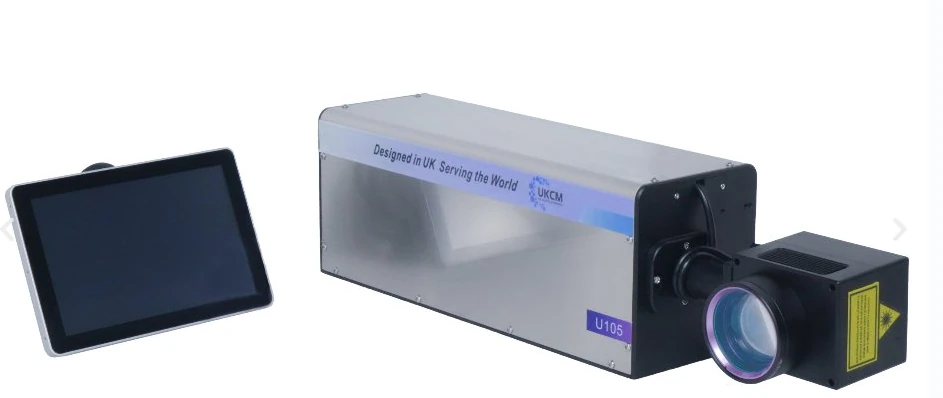
The Technology
A focused beam.
An indelible record.
A laser marker concentrates coherent light into a beam narrower than a human hair, then steers it across the substrate with galvanometer mirrors. The energy is absorbed by the surface — engraving, foaming, annealing, or colour-changing depending on the wavelength.
The mark is part of the product itself. It cannot be tampered with, washed off, or worn away by handling. Where regulators demand traceability and brand owners demand authenticity, laser is the only marking discipline that delivers both at once.
The UKCM laser portfolio is partitioned by wavelength — fiber for metals and high-contrast plastics; CO₂ for organics, glass, and paper; UV for heat-sensitive substrates including pharmaceutical packaging and food films. Techtron specifies, installs, and services all three across the UAE.
The Spectrum
Three wavelengths.
Three substrates.
The right laser is a function of the material — not a marketing decision. We specify the wavelength to the substrate, not the other way around.
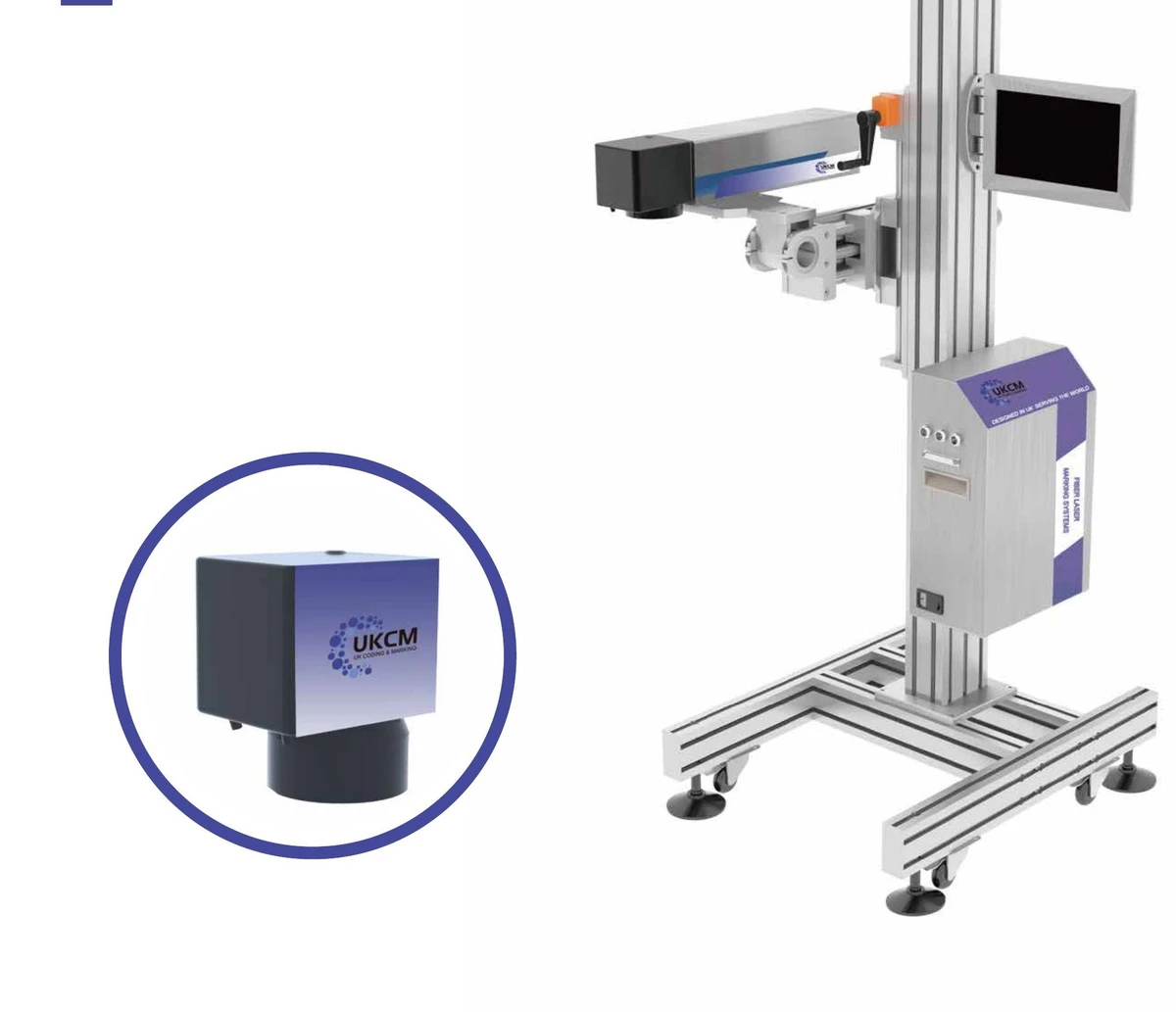
Fiber · KF120 / KF130 / KF150
For metals & rigid plastics
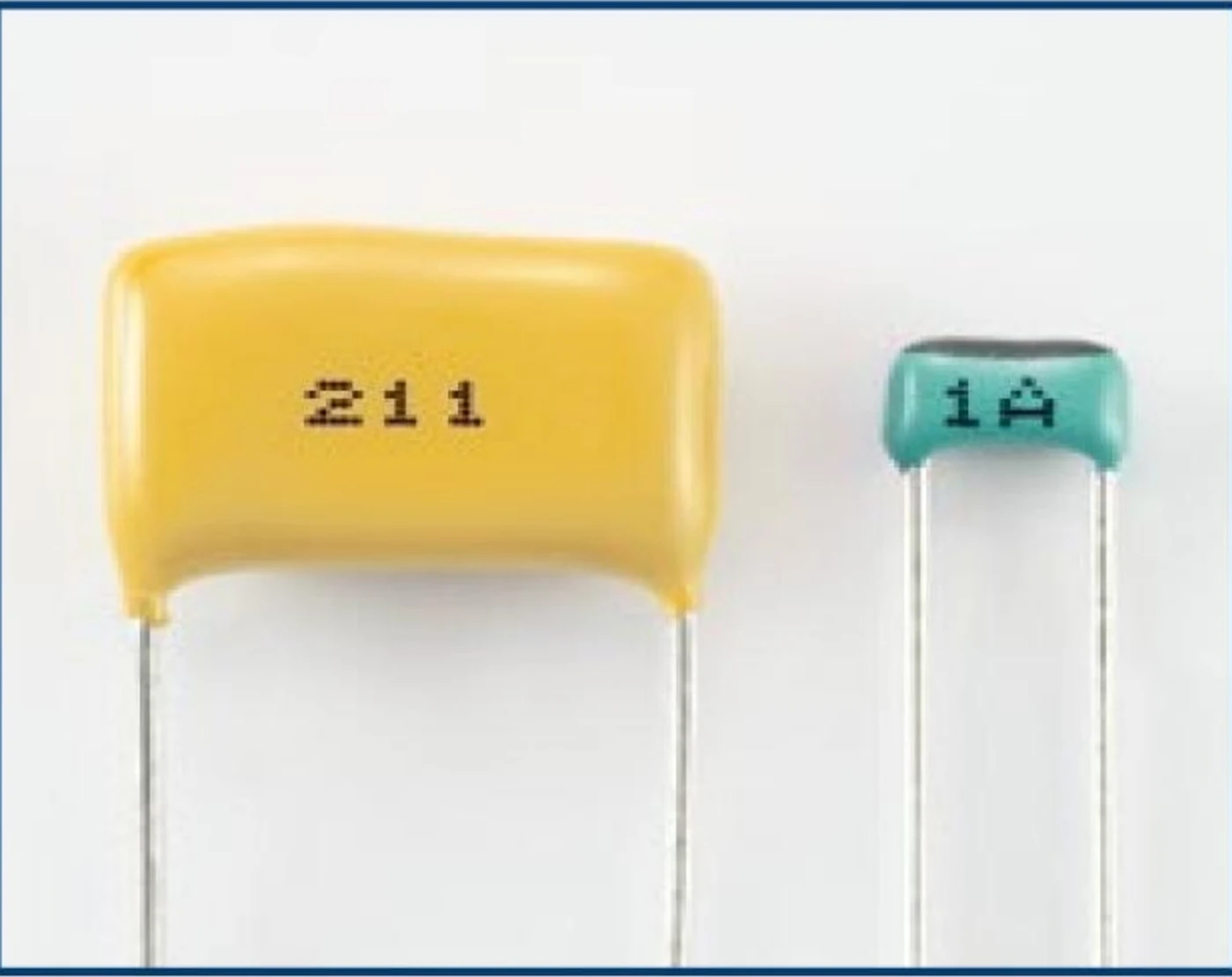
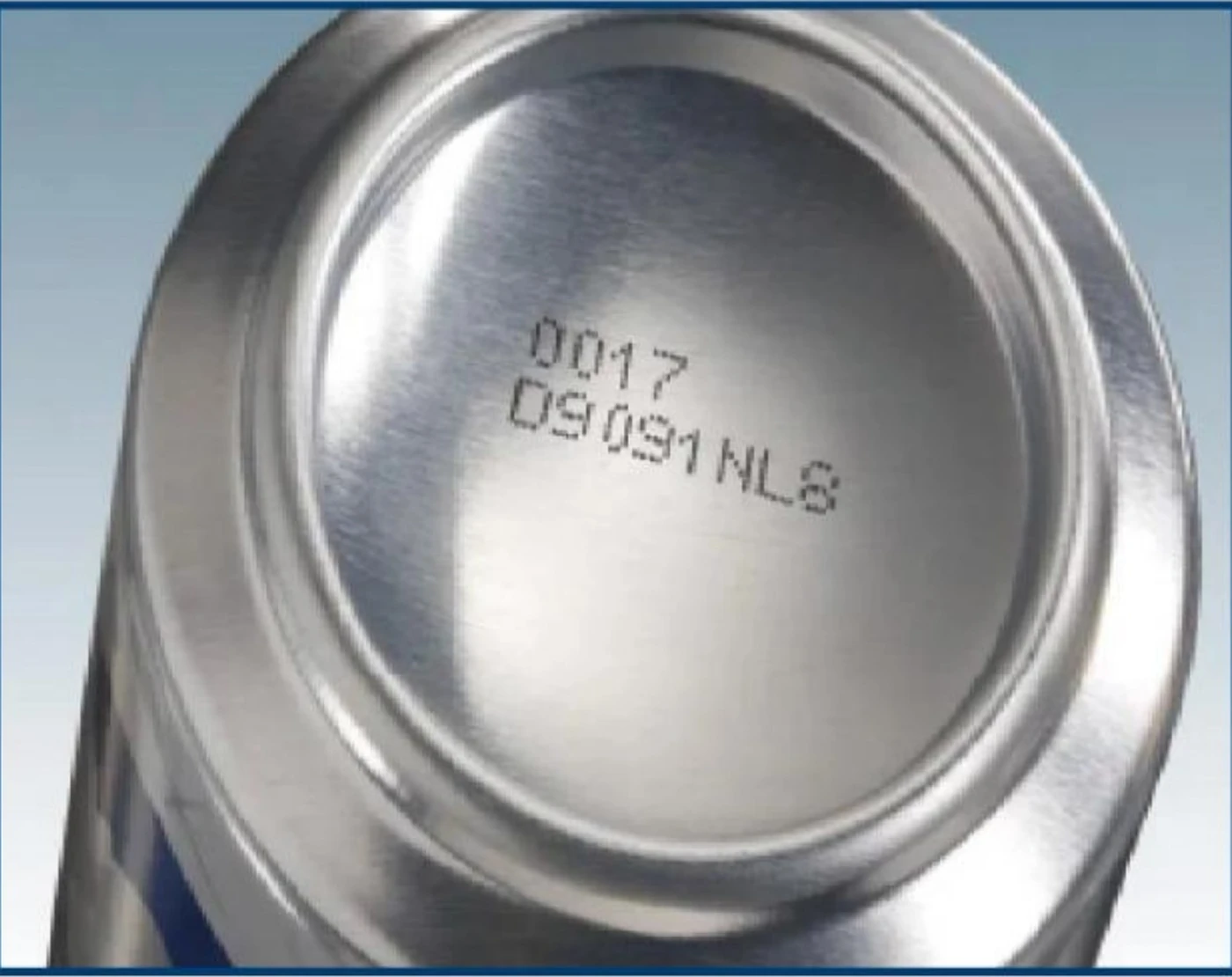
The default laser for stainless steel, aluminium, anodised parts, electronics, and pigmented plastics. High contrast, high speed, decades of service life.
- Wavelength1064 nm
- Output power20 / 30 / 50 W
- Marking speedup to 12,000 mm/s
- Min. linewidth0.012 mm
- Source life100,000+ hours
- Best forMetals · ABS · PC
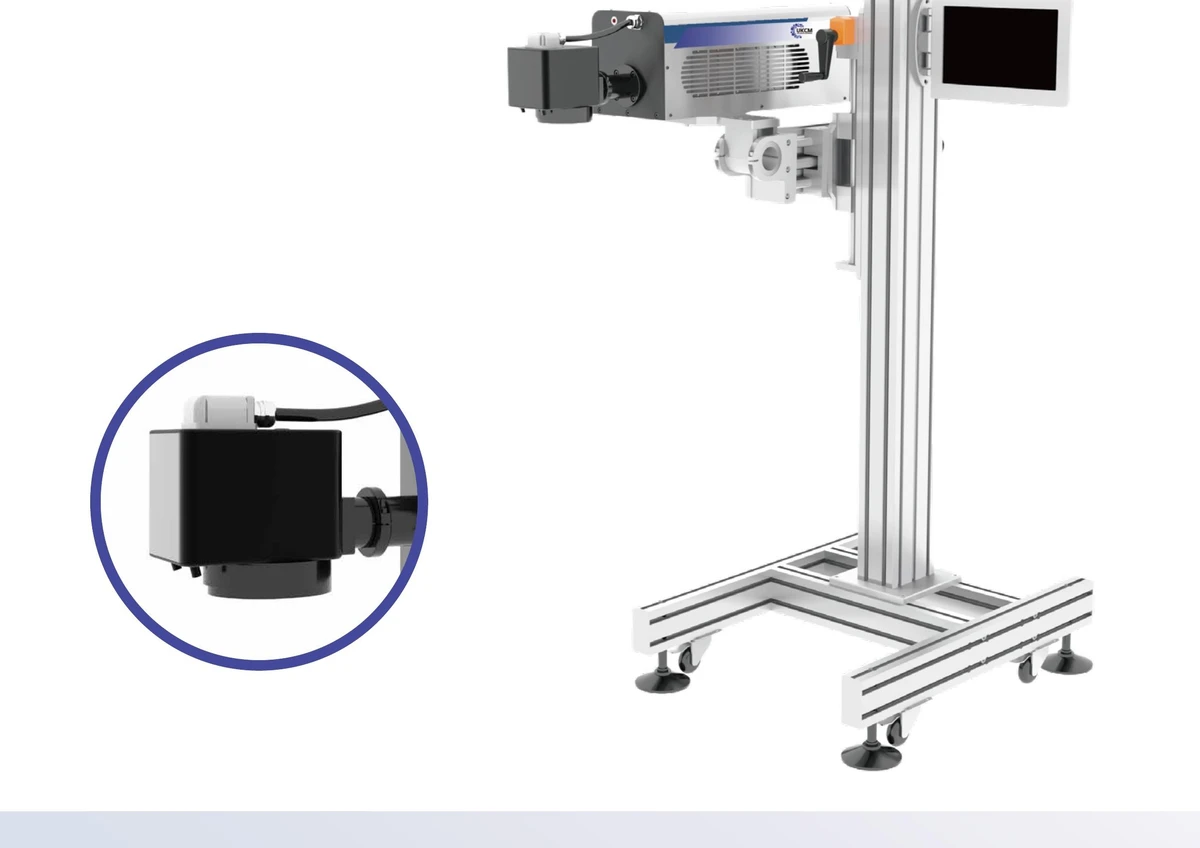
CO₂ · KC130 / KC140 / KC160
For organics, glass & paper
Cartons, wood, glass bottles, paper labels, and most natural materials. Higher absorption on cellulosic and silicate substrates than any other industrial wavelength.
- Wavelength10,600 nm
- Output power30 / 40 / 60 W
- Marking speedup to 20,000 mm/s
- Min. linewidth0.03 mm
- Source life20,000 – 30,000 hours
- Best forCarton · Glass · Wood
UV · 355 nm
For sensitive substrates
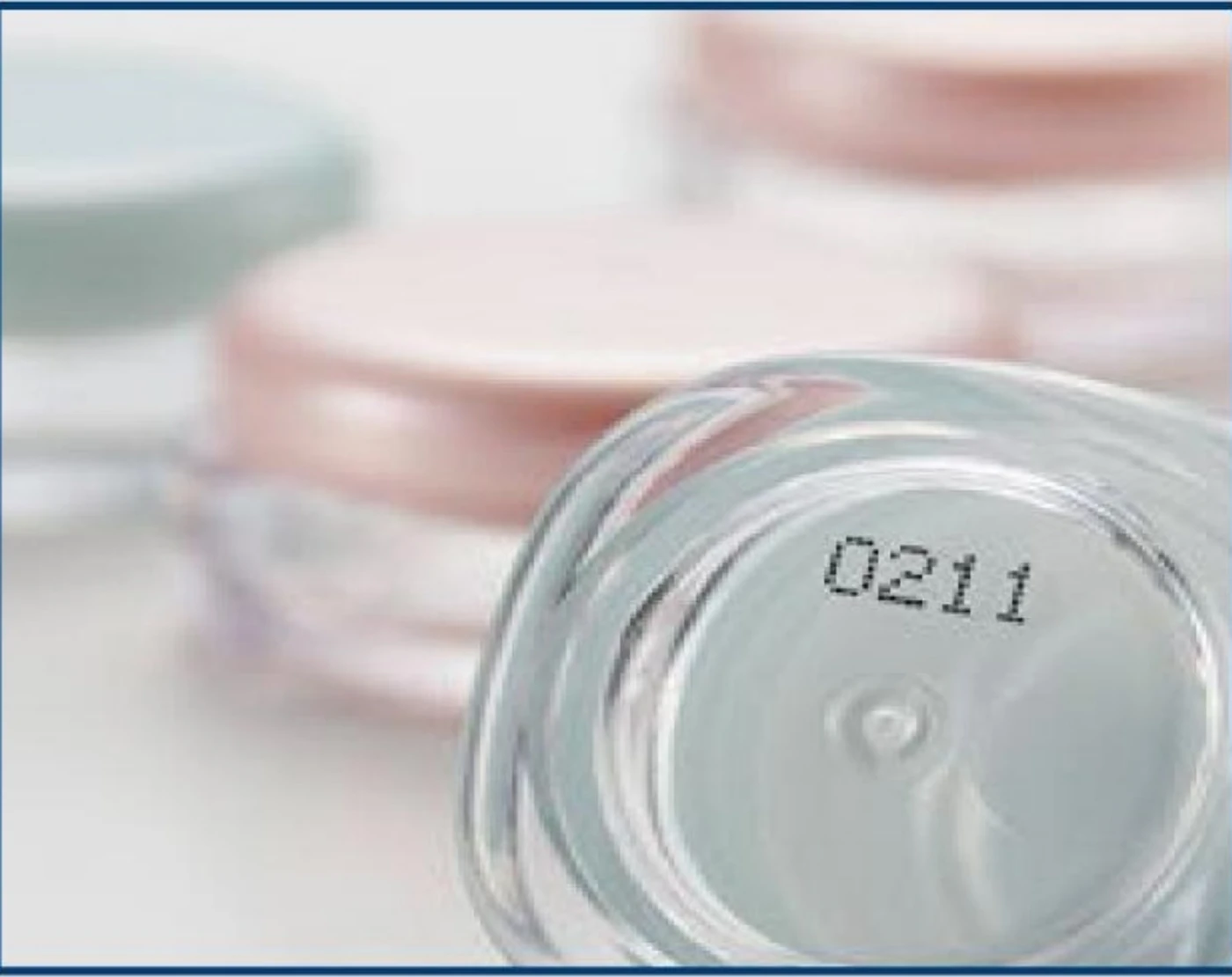
"Cold marking" for pharmaceutical foils, food films, sensitive electronics, and glass — where heat-affected zones cannot be tolerated. The discipline laser of the pharma sector.
- Wavelength355 nm
- Power range3 – 10 W
- Marking speedup to 4,000 mm/s
- Source life20,000 hours
- Best forPharma · Film · Glass
Applications
Where the mark must be permanent.
From PCB serial numbers to pharma carton DataMatrix codes — wherever traceability is regulated, contested, or audited.
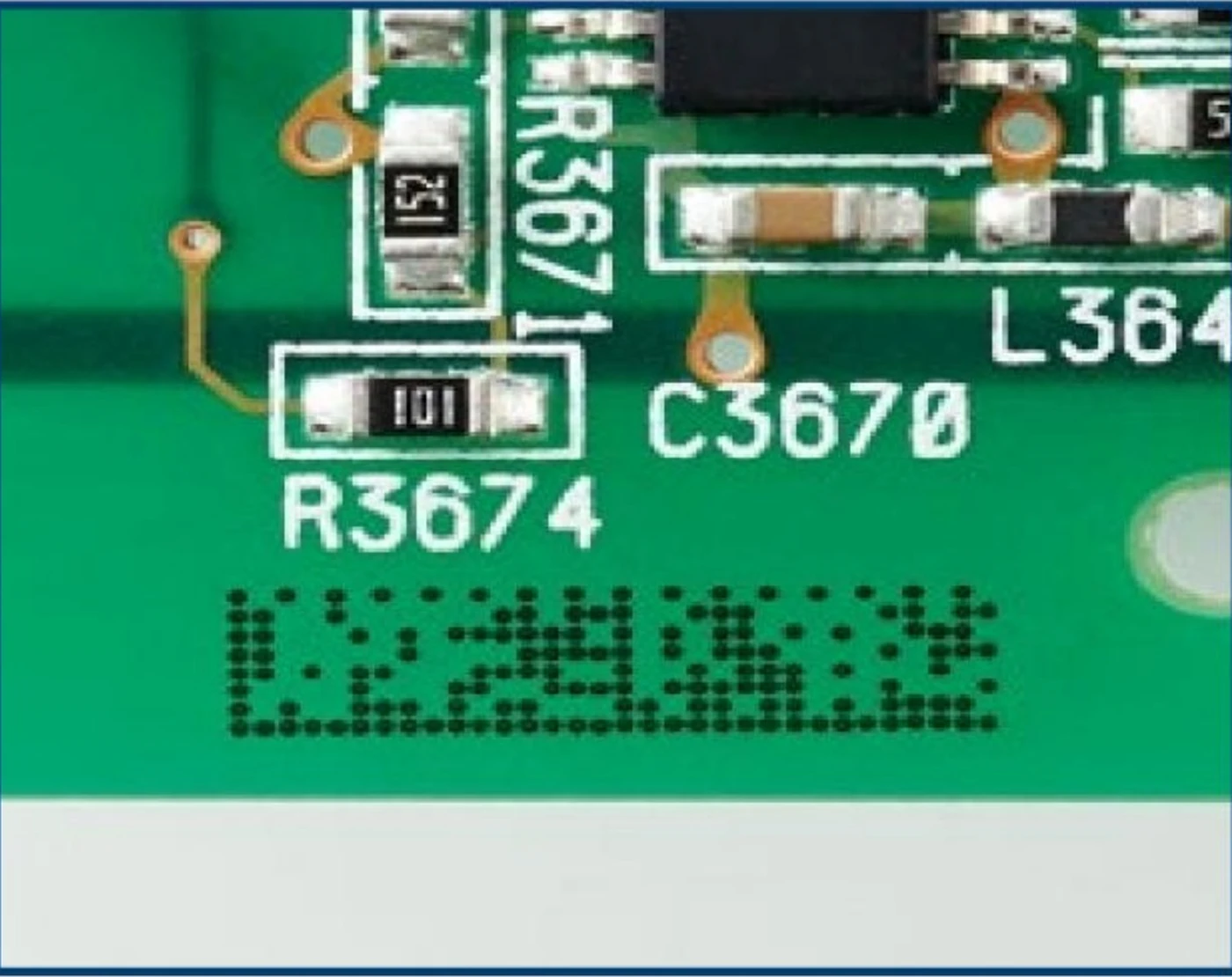 Substrate 01
Electronics & PCB
 Substrate 02
Components & Parts
 Substrate 03
Metals & Alloys
 Substrate 04
Glass Bottles
 Substrate 05
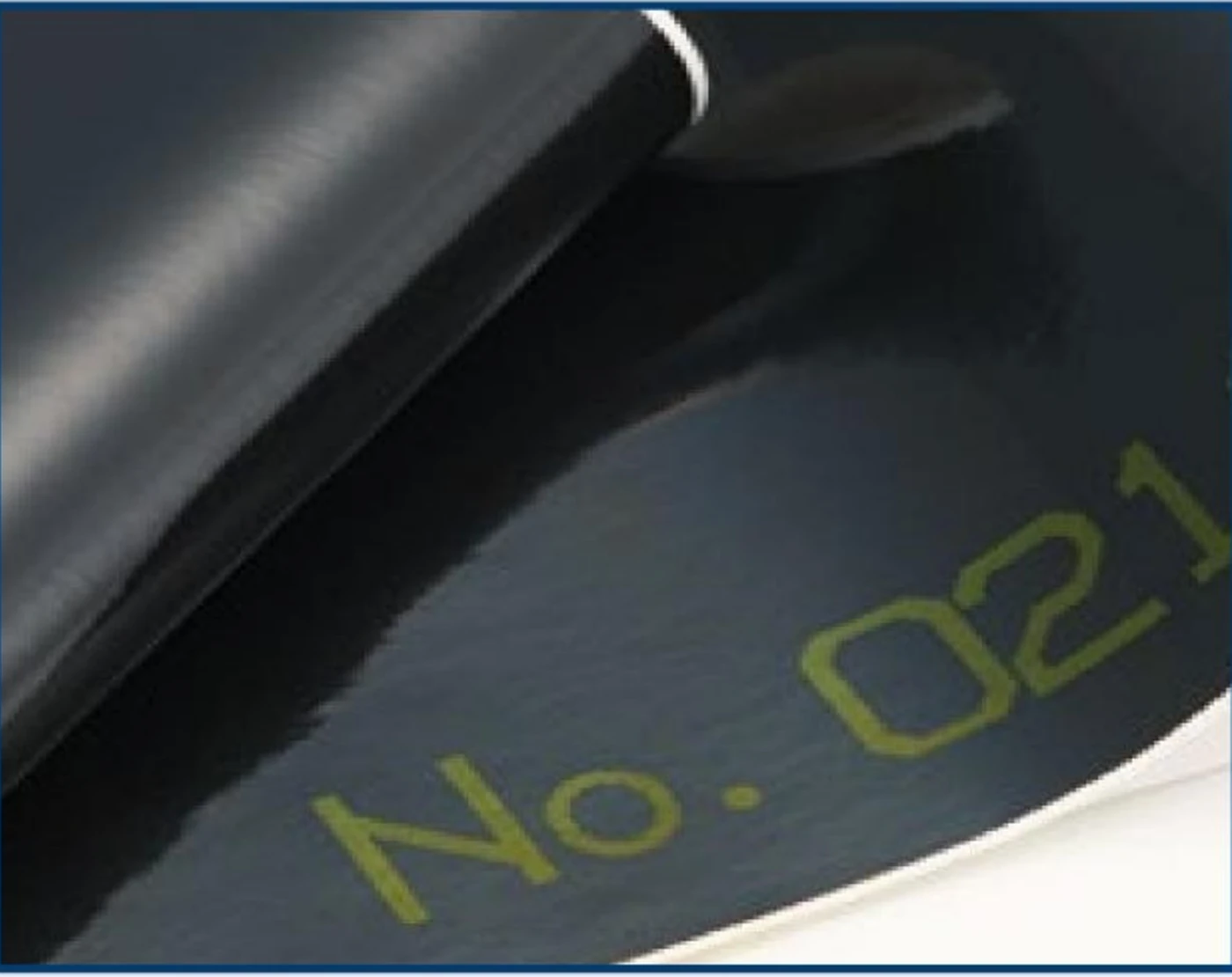
Plastics & Films
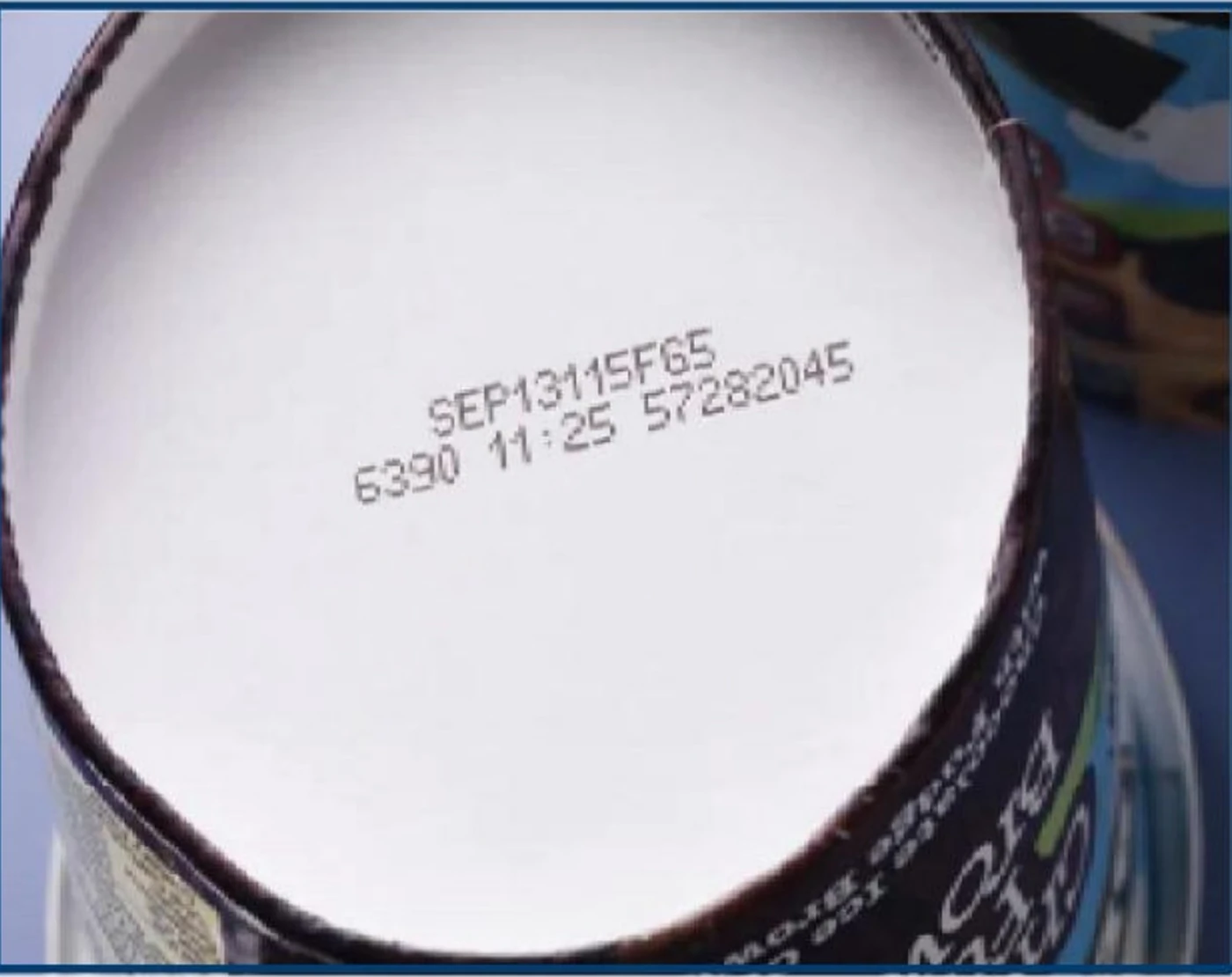 Substrate 06
Food Packaging
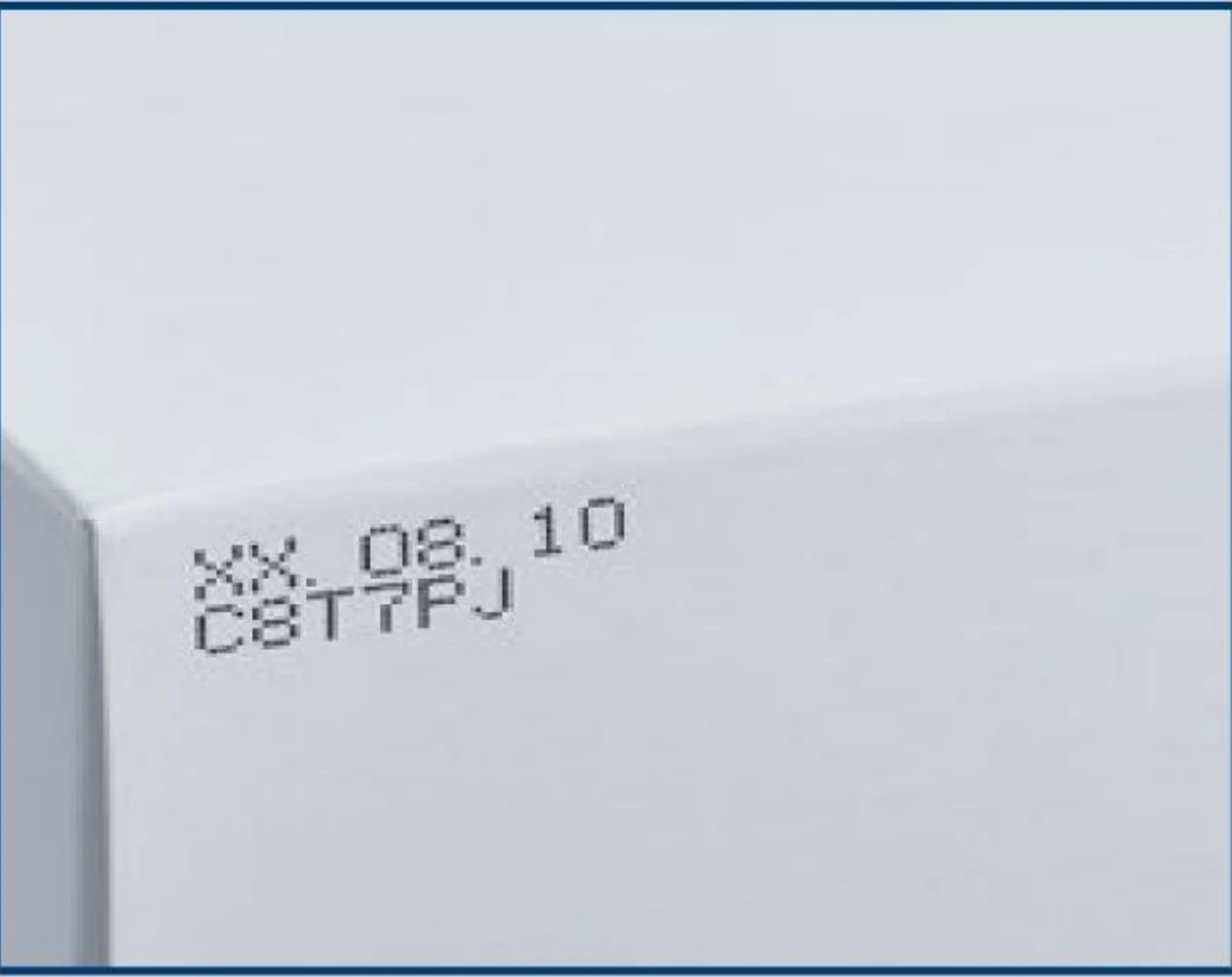 Substrate 07
Paper & Cardboard
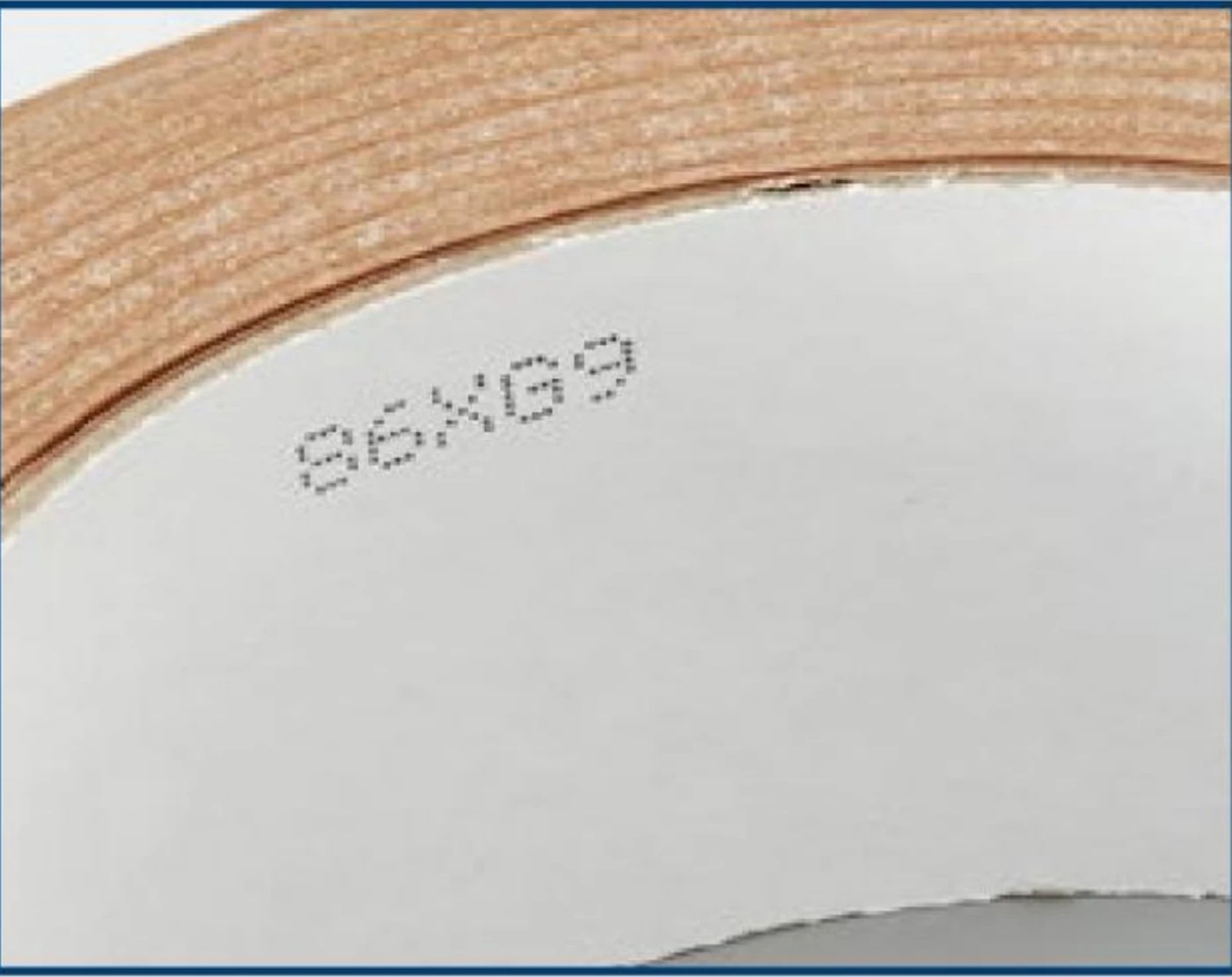 Substrate 08
Cable & Tubing
Technical Profile
Laser specification, at a glance.
| Wavelengths offered | Fiber (1064 nm) · CO₂ (10,600 nm) · UV (355 nm) |
|---|---|
| Marking modes | Static, on-the-fly, rotary, 2-axis fly |
| Marking speed | Up to 12,000 mm/s (fiber) · 20,000 mm/s (CO₂) · 4,000 mm/s (UV) |
| Marking area | 110 × 110 mm standard (lens-dependent, up to 300 × 300 mm) |
| Repetition accuracy | 0.003 mm (fiber) · 0.01 mm (CO₂) |
| Cooling | Air-cooled (fiber/UV/CO₂) |
| Source lifetime | 100,000+ h fiber · 20,000–30,000 h CO₂ · 20,000 h UV |
| Operating consumables | None |
| Codes supported | Alphanumeric, logos, DataMatrix, QR, GS1, serialisation, Code39/128/126 |
| Safety class | Class 1 (enclosed) · Class 4 (open beam) |
| Connectivity | Ethernet, USB, RS-232; PLC handshake; OPC UA |
| Operating temperature | 0 °C – 45 °C ambient, ≤95% humidity |
| Power | 220 V AC / 50 Hz · 500 – 1,500 W depending on model |
| Marking head dimensions | Fiber 629 × 110.5 × 102 mm · CO₂ 692 × 200 × 158 mm |
| Controller dimensions | Fiber 523 × 352 × 200 mm · CO₂ 403 × 320 × 157 mm |
Next
Mark a sample. Prove the wavelength.
Send us a sample, or describe your substrate. We'll mark it, measure the contrast, and quote the system that fits.